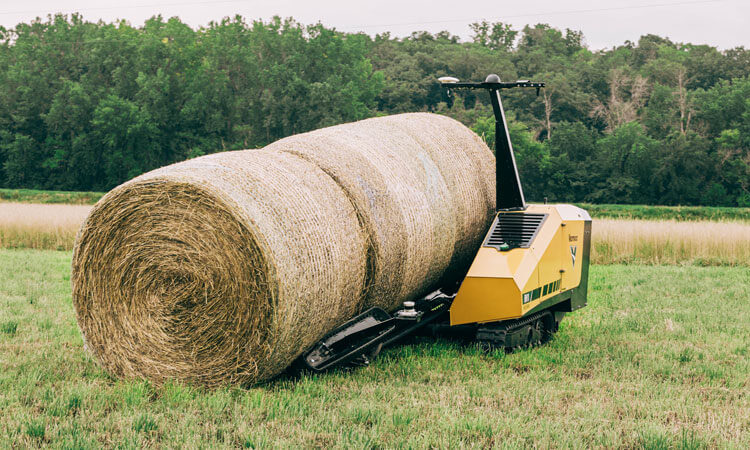


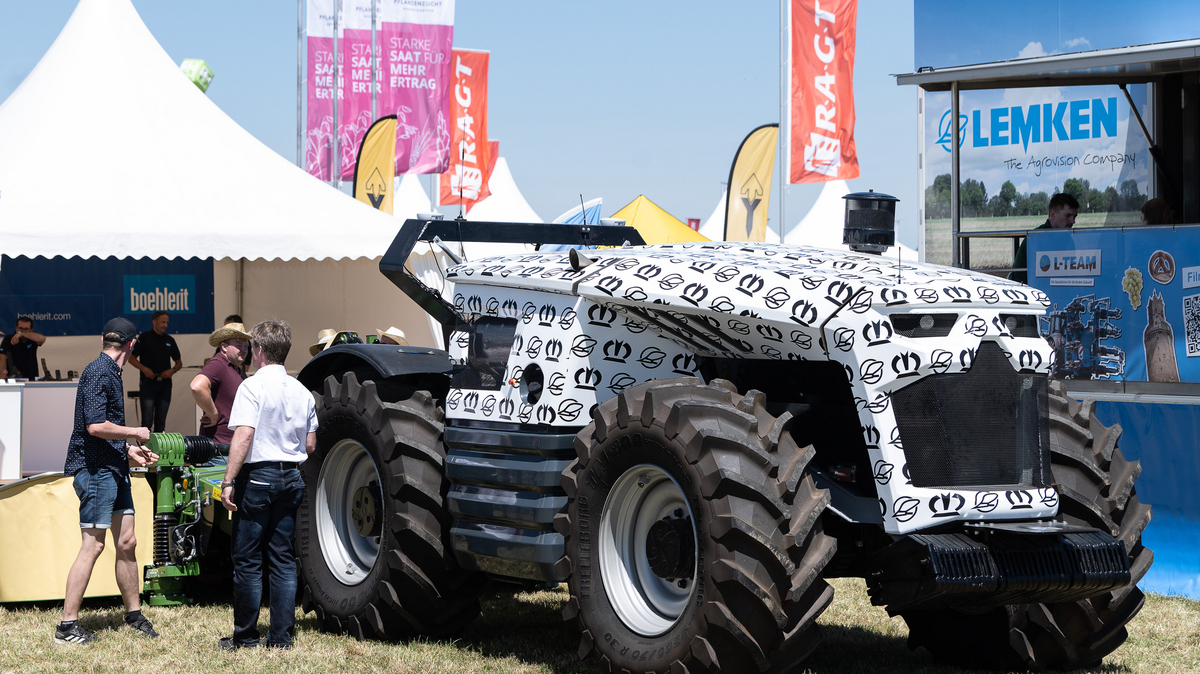
The German company (DLG) introduces a new international platform, FarmRobotix, for farmers and experts seeking compact and comprehensive information on the latest developments in robotics, artificial intelligence, automation, and digital solutions in plant production.
FarmRobotix targets farmers, manufacturers, startups, and technology providers, but also offers scientists, researchers, development engineers, and investors the opportunity to network, share knowledge, and explore innovative technologies.
Challenges of Robotics Implementation
The FarmRobotix platform will be unveiled at the DLG Feldtage meeting, scheduled from June 11th to 13th at the Brockhof farm in the heart of the German Soester Börde region. What are the current major challenges in implementing digital and autonomous technologies in agriculture – and how can the FarmRobotix platform contribute to addressing them? Florian Schiller, a digitalization expert from the DLG International Plant Production Center (IPZ) in Bernburg, Saxony-Anhalt, addressed this in the following article.
Enhanced User-Friendliness of Digital Tools
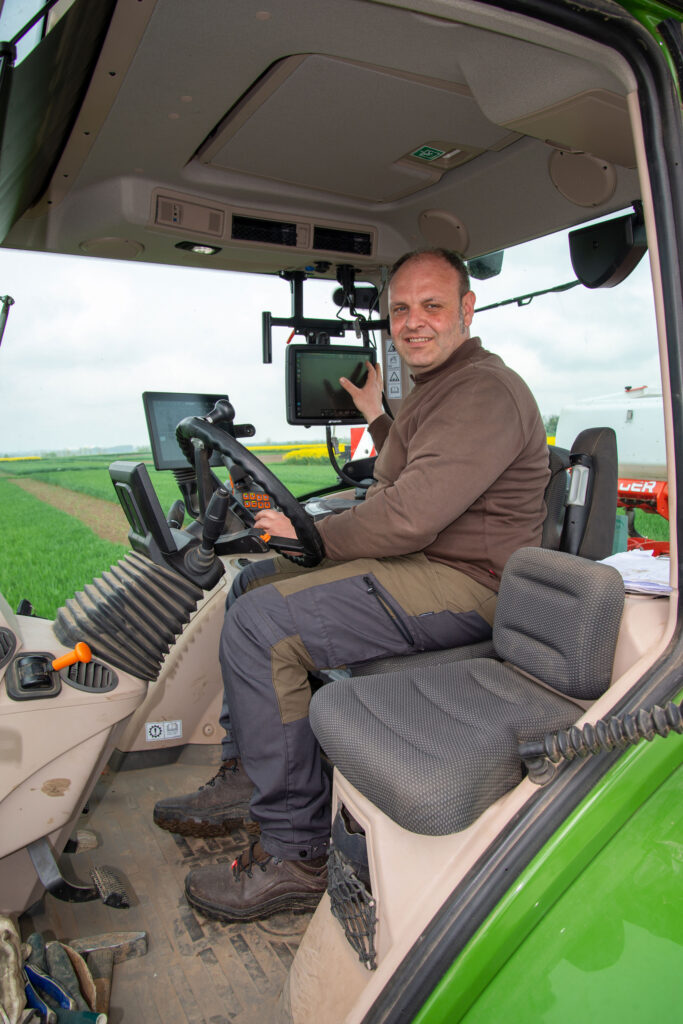
“At present, farmers have access to a wide range of digital solutions for various crop cultivation operations,” explains Florian Schiller. “However, their usage requires additional knowledge for the user because each digital solution provider typically supplies their own customized software system.” Schiller elaborates, “For agricultural entrepreneurs, this means that the number of software applications they need to manage potentially increases with each digital tool introduced on their farm.” He adds, “The FarmRobotix platform can play a role in facilitating dialogue among farmers, manufacturers, and science to ensure compatibility among digital applications from different providers.”
Robotic Solutions for Large-Scale Agriculture
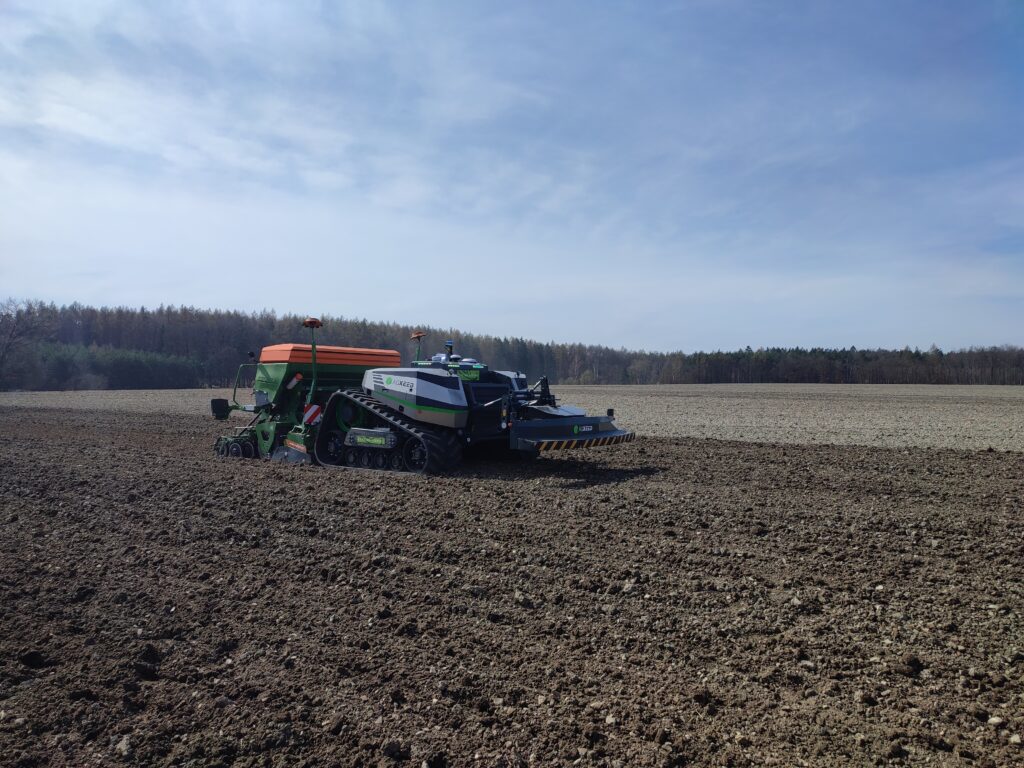
Another important theme for robotics, in general, is their large-scale application in agricultural fields. While there are already robotic solutions for seeding and mechanical crop protection, according to Schiller, these are generally used on a small scale. “A crucial question for the future is how robotics or autonomous solutions can be integrated into our existing arable farming system, which focuses on efficiency,” says Schiller.
Artificial Intelligence in Agriculture Unlike some other industries, the use of autonomous systems in agriculture is still in the stage of pilot projects and research. This is primarily because agricultural robots must perform more complex tasks than robots used, for example, in industrial manufacturing.
DLG expert Florian Schiller explains the complexity involved in crop cultivation robots. DLG’s IPZ farm is part of several research projects focusing on digitalization and artificial intelligence in plant production, including the NaLamKI project funded by the German Federal Ministry for Economic Affairs.
NaLamKI stands for Sustainable Agriculture with Artificial Intelligence. The goal of the research project is to develop AI services for agriculture capable of analyzing data from both conventional and autonomous agricultural machinery, satellites, and drones, integrating them into a platform of software services and providing results through open interfaces. As an associated partner in the project, IPZ is working on the early detection of wheat fungal diseases using AI. Other project partners include the Fraunhofer Institute for Telecommunications (Heinrich Hertz Institute, HHI), agricultural machinery manufacturer John Deere, and the University of Hohenheim.
According to Florian Schiller, the NaLamKI project once again demonstrates that extensive research is still needed before artificial intelligence can be widely applied in agriculture. Schiller explains this is due to the high costs of data collection, which are essential for some plant cultivation applications. This is because AI requires a large amount of training data for some plant cultivation applications to be practically beneficial. One example is the area of fungal disease detection.
Project on Fungal Disease Detection
The goal of fungal disease detection with AI support is to use multispectral and hyperspectral image analysis to determine when a crop has been infected with a fungal infection – “even before it can be detected by the human eye.” This requires recording the spectral characteristics of various types of fungi on the surface of plant leaves to create a suitable training dataset for artificial intelligence.
However, according to the DLG expert, a problem arises from the fact that the spectral properties of leaf surfaces are influenced not only by fungal pathogens but also by external factors such as drought or plant nutrition. In other words, artificial intelligence must be trained to recognize various characteristics influenced by fungal pathogens.
“For artificial intelligence systems, it is always crucial that the data provide accurate information about the characteristics they are supposed to recognize. Otherwise, AI models will not reflect what they are supposed to provide information about,” says Schiller.
As a result, much work by various experts is still needed before plant disease detection is ready for practical use. Schiller believes that the FarmRobotix platform can contribute significantly to the necessary integration.