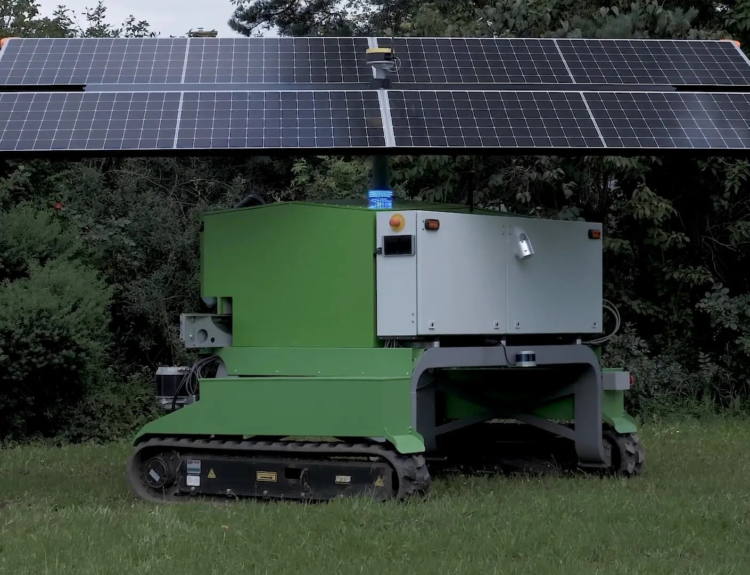


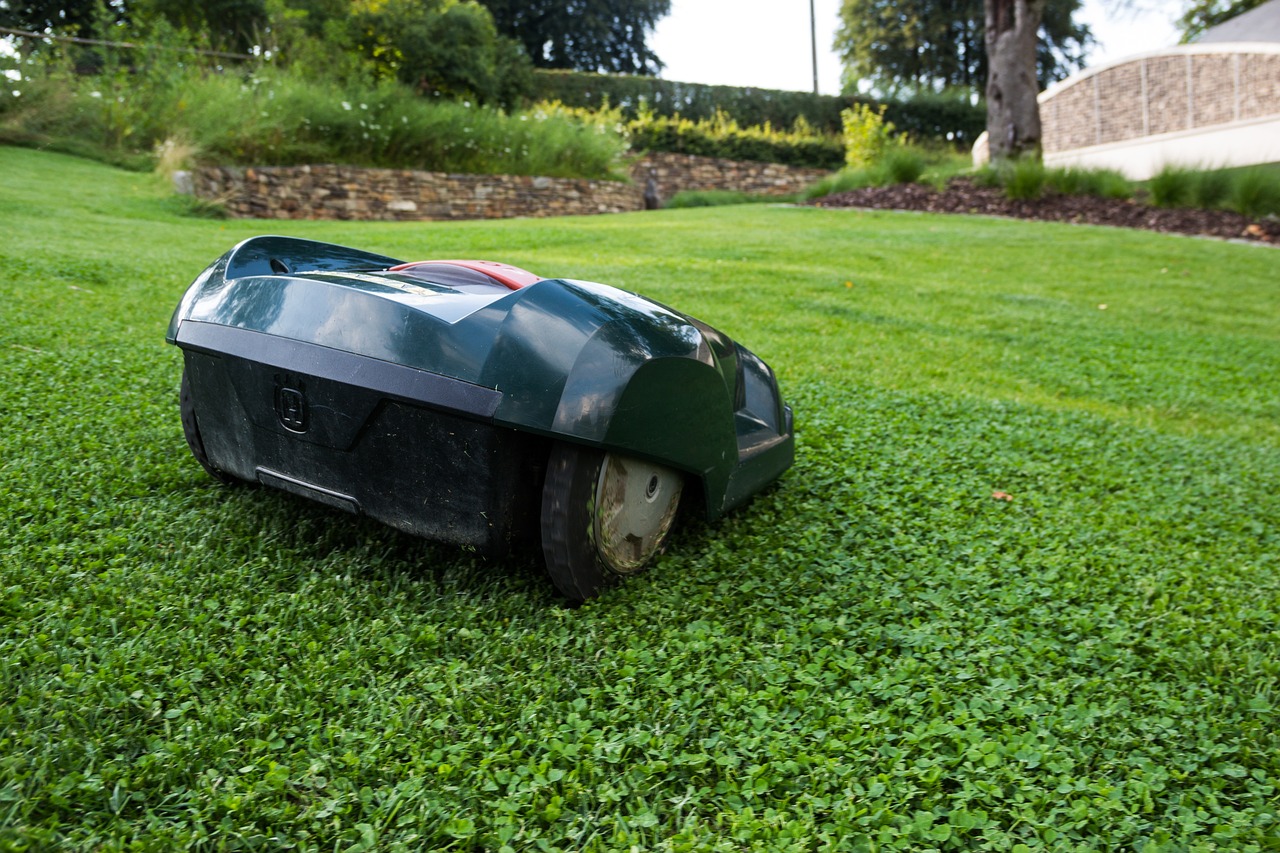
As technology advances, so does our approach to everyday tasks, including lawn care. Robotic lawn mowers, once a concept of futuristic indulgence, have now become a practical reality, transforming the way we maintain our gardens and green spaces. This article examines the emergence of robotic lawn mowers, their benefits, challenges, and what the future holds for this fascinating intersection of robotics and lawn care.
Unveiling the Era of Robotic Lawn Mowers
Robotic lawn mowers are autonomous machines designed to cut grass without human intervention. They operate within predefined boundaries, set by perimeter wires, and use sophisticated sensors and algorithms to navigate through lawns, detect obstacles, and ensure an even cut. These smart machines can be programmed according to specific schedules, allowing lawns to be maintained with minimal human effort.
The Advantages of Automating Lawn Care
The adoption of robotic lawn mowers brings numerous benefits, making them an attractive option for both residential and commercial properties:
- Time-saving and Convenience: Perhaps the most significant advantage is the sheer convenience and time savings. Homeowners can enjoy well-kept lawns without dedicating hours to mowing, freeing up time for other activities.
- Energy Efficiency and Environmental Benefits: Robotic mowers are typically electric, reducing the reliance on fossil fuels compared to traditional gas-powered mowers. This not only cuts down on emissions but also reduces noise pollution.
- Enhanced Lawn Health: These machines can mow more frequently and cut grass into fine clippings that naturally fertilize the lawn, promoting healthier grass growth and a more vibrant lawn.
- Safety and Accessibility: With safety features that include obstacle detection and automatic shut-off, robotic mowers reduce the risk of injuries. They also offer a lawn care solution for those who may find traditional mowing physically challenging.
Challenges and Considerations
Despite their benefits, robotic lawn mowers are not without challenges:
- Initial Setup and Cost: The need for setting up perimeter wires and the higher initial cost compared to traditional mowers can be deterrents for some potential users.
- Complexity of Lawn Layouts: Gardens with complex layouts or steep gradients may pose navigation challenges for some models, although advances in technology are continually improving their adaptability.
- Maintenance and Theft Concerns: Like all technology, robotic mowers require maintenance. Additionally, their portability and value make them potential targets for theft, necessitating secure storage solutions.
The Future of Robotic Lawn Care
The future of robotic lawn mowers looks promising, with ongoing advancements aimed at overcoming current limitations and expanding their capabilities. Innovations include GPS navigation for more precise boundary setting without the need for perimeter wires, increased battery life, and the integration of smart technology for remote management and monitoring. As artificial intelligence and machine learning technologies continue to evolve, future models will become even more efficient, adaptable, and user-friendly.
In conclusion, robotic lawn mowers represent a significant step forward in the automation of lawn care, offering a blend of convenience, efficiency, and environmental benefits. As technology progresses, these smart machines are set to become an increasingly common sight in gardens around the world, ushering in a new era of hands-free lawn maintenance.