

The wine industry, with its deep roots in tradition, is undergoing a transformative phase with the integration of robotics, heralding a new era of efficiency and precision in viticulture. This article explores the innovative applications of robots in vineyards, their benefits, challenges faced, and a glimpse into the future of robotic viticulture.
Pioneering Automation in Vineyards
Robots in vineyards are not just a novel concept but a growing reality, as winemakers seek to enhance productivity and address labor shortages. These autonomous machines are being deployed for a variety of tasks:
- Precision Monitoring: Equipped with advanced sensors, robots can traverse vineyards, collecting data on grape ripeness, soil moisture levels, and signs of disease or pests. This precision monitoring enables viticulturists to make informed decisions about irrigation, harvesting, and pest management.
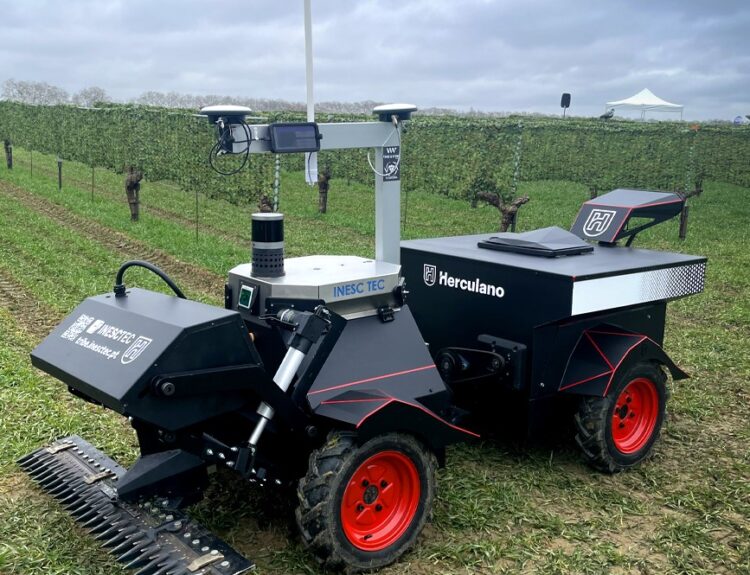
- Automated Pruning and Weeding: Robotic arms can be programmed to prune vines with great accuracy, adapting to each plant’s growth pattern. Similarly, robots equipped with vision systems can identify and remove weeds without harming the vines, reducing the need for chemical herbicides.
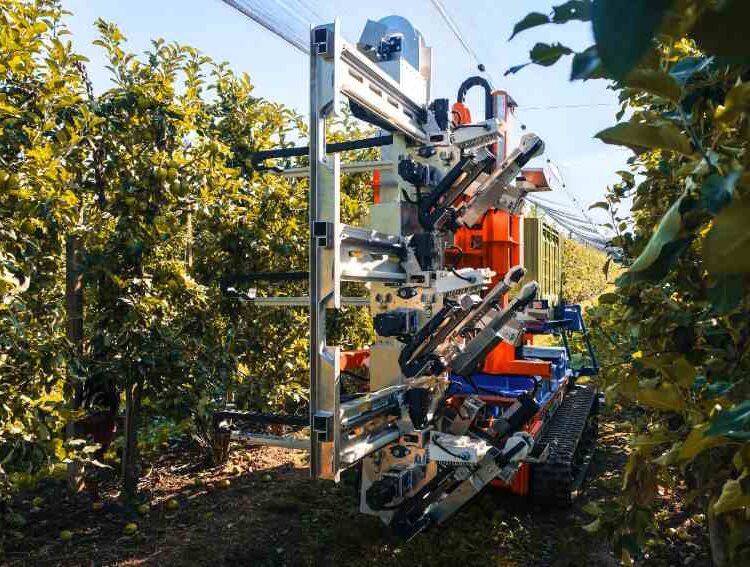
- Harvesting: Robotic harvesters can operate around the clock, picking grapes with gentle precision and speed that matches or exceeds human laborers. This technology ensures that grapes are harvested at the optimal time, enhancing the quality of the wine produced.
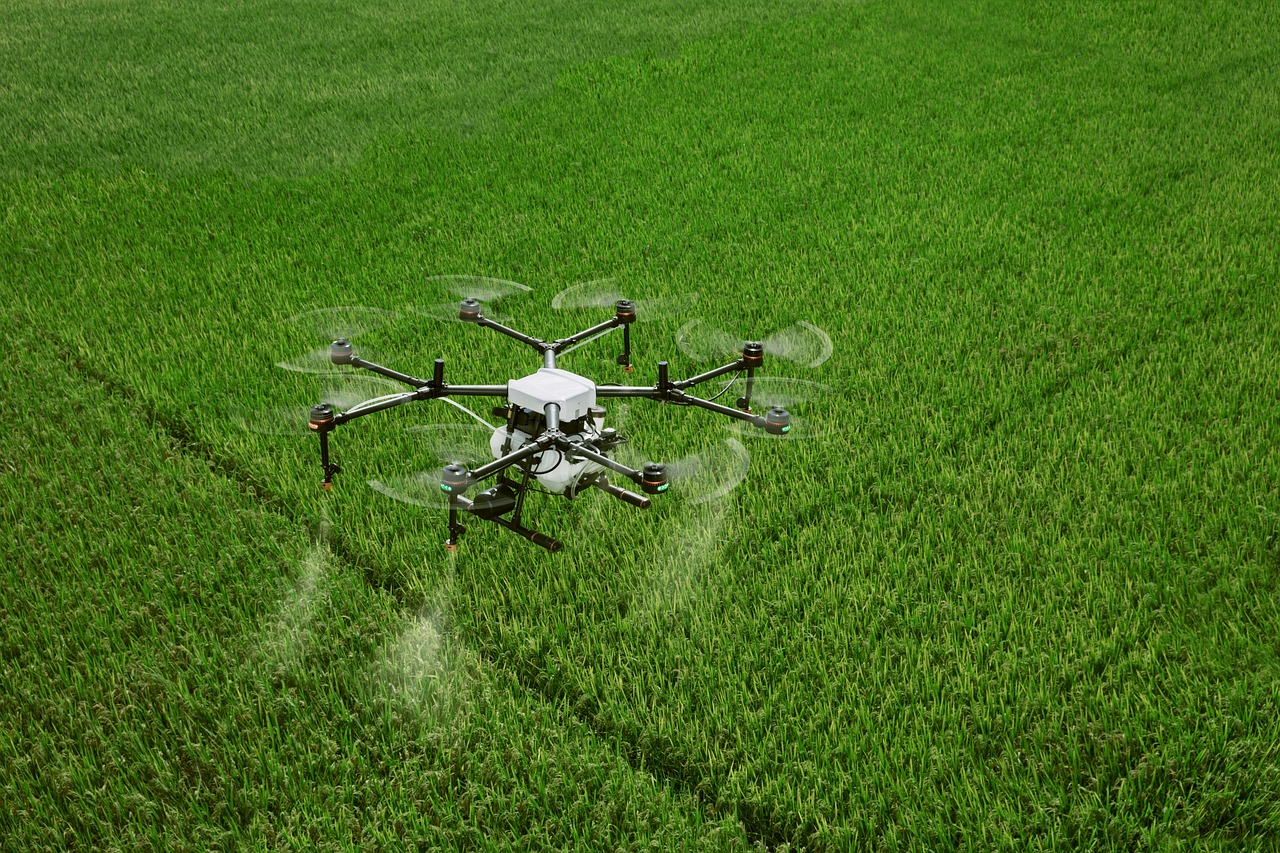
- Spraying: Drones and ground-based robots can apply water, fertilizers, and pesticides in precise amounts to specific areas, minimizing waste and environmental impact.
Advantages of Robotic Technology in Vineyards
The integration of robots into viticulture brings several benefits:
- Labor Efficiency: Robots can perform labor-intensive tasks, mitigating the impact of labor shortages and reducing the physical strain on workers.
- Cost Reduction: Over time, the use of robots can lead to significant cost savings in labor and resources.
- Environmental Sustainability: Precision agriculture techniques facilitated by robots can lead to reduced use of water, fertilizers, and pesticides, promoting sustainable viticulture practices.
- Improved Wine Quality: By ensuring tasks like pruning and harvesting are performed optimally, robots contribute to the production of higher quality grapes, which in turn can lead to better wine.
Facing the Challenges
Despite the potential benefits, the adoption of robotic technology in vineyards is not without its challenges:
- High Initial Investment: The cost of robotic systems can be prohibitive for small to medium-sized vineyards.
- Technical Complexity: Deploying and maintaining sophisticated robotic equipment requires technical expertise, which may necessitate additional training for vineyard staff.
- Terrain and Weather Limitations: The varied terrain of vineyards and unpredictable weather conditions can pose operational challenges for robots, requiring ongoing advancements in technology to overcome these hurdles.
The Future of Robotic Viticulture
As technology continues to advance, the capabilities of vineyard robots are expected to expand, making them even more integral to viticulture. Future innovations may include more advanced AI for improved decision-making, enhanced autonomy to navigate diverse vineyard terrains, and integrated systems for a seamless flow of data from vineyard to winery. The continued development of robotic technology promises not only to enhance the efficiency and sustainability of vineyard operations but also to elevate the quality of wine enjoyed by consumers worldwide.
In conclusion, the advent of robotics in vineyards represents a significant shift towards more sustainable, efficient, and high-quality wine production. As the wine industry embraces these technological advancements, the future of viticulture looks brighter and more innovative than ever before.