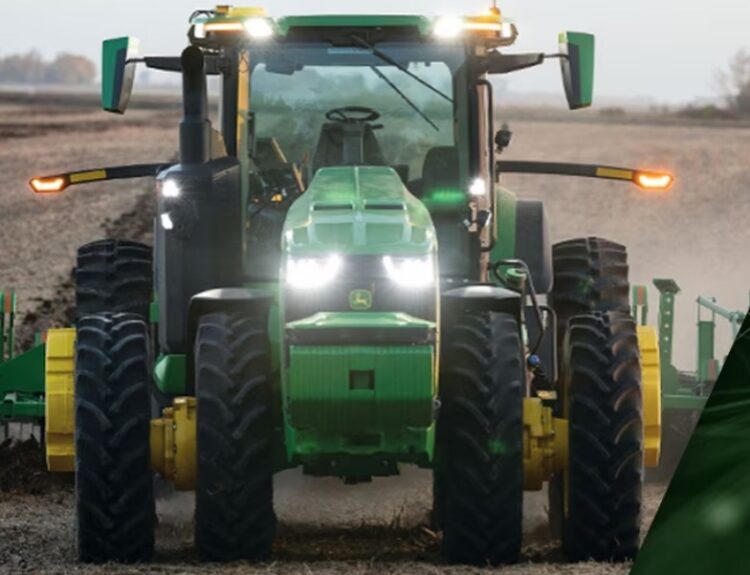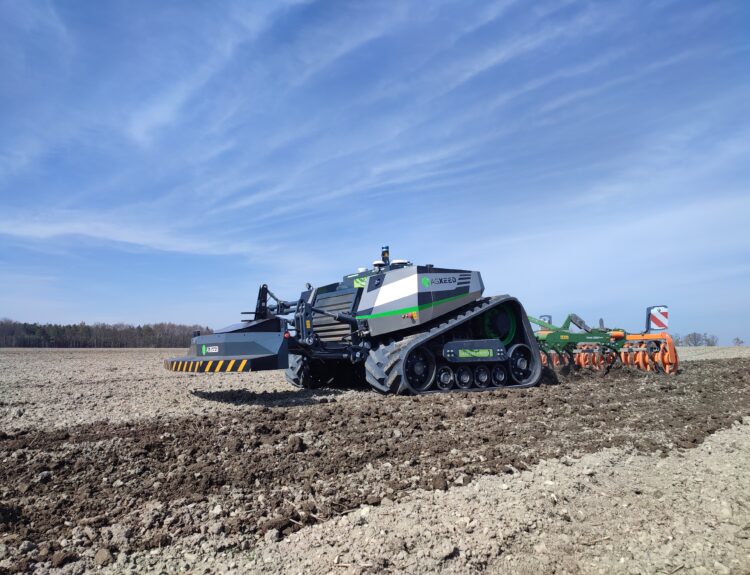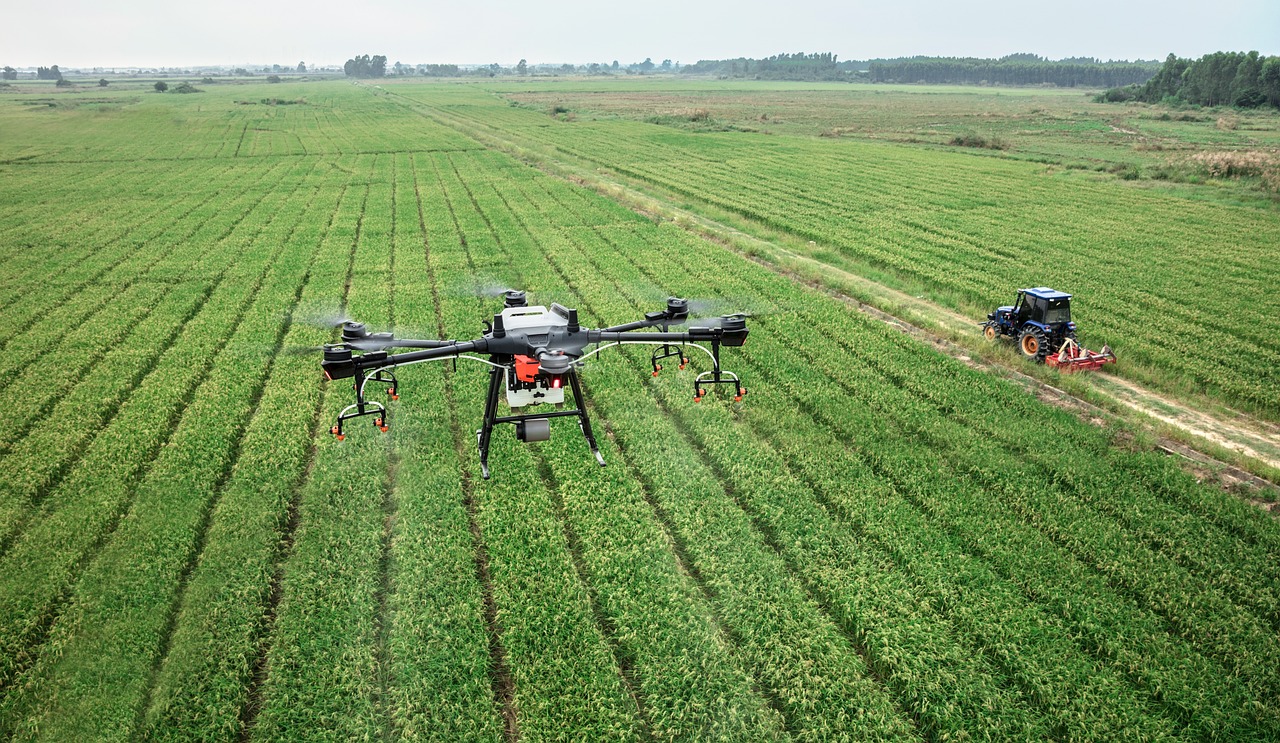


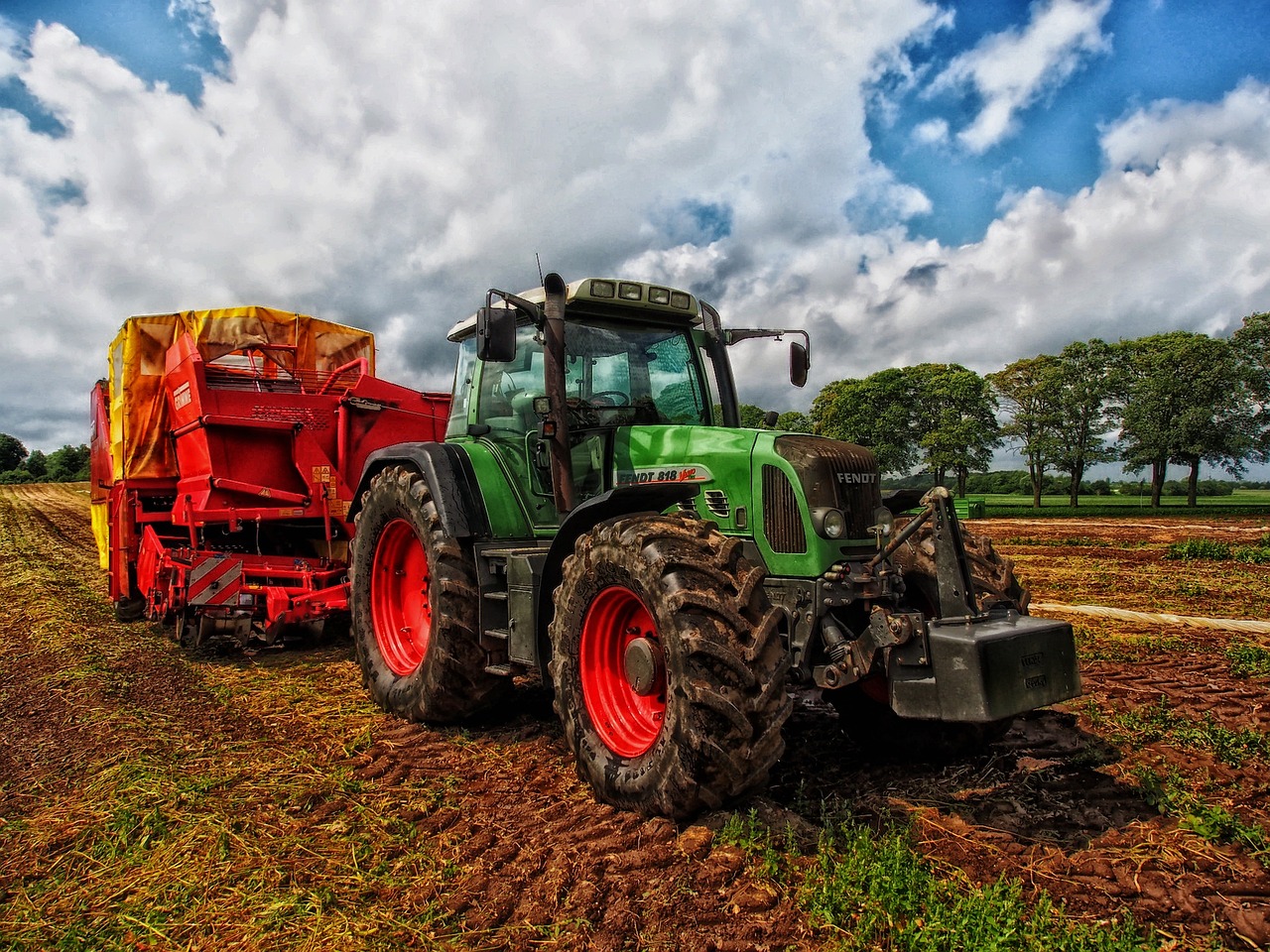
The agricultural sector is on the cusp of a technological revolution, with autonomous tractors leading the charge towards more efficient, sustainable, and productive farming practices. These self-driving machines, once a figment of science fiction, are now a rapidly emerging reality, promising to reshape the agricultural landscape. This article delves into the world of autonomous tractors, exploring their development, benefits, challenges, and the future trajectory of this groundbreaking technology.
The Evolution of Autonomous Tractors
Autonomous tractors are equipped with advanced technologies such as GPS, radar, LiDAR (Light Detection and Ranging), and computer vision, enabling them to navigate fields, perform tasks, and make decisions without human intervention. These machines can be programmed for various agricultural tasks, including plowing, planting, spraying, and harvesting. The evolution of autonomous tractors is marked by incremental advancements in technology, from guidance systems that assist drivers to fully autonomous machines that operate with complete independence.
Transforming Agriculture with Automation
The integration of autonomous tractors into farming operations offers numerous benefits, signaling a significant shift in how food is produced:
- Increased Efficiency and Productivity: Autonomous tractors can operate around the clock, regardless of weather conditions, optimizing farming schedules and significantly boosting productivity.
- Precision Farming: Equipped with sophisticated sensors, these tractors execute tasks with precision, minimizing waste of seeds, fertilizers, and pesticides, and ensuring optimal growth conditions for crops.
- Reduced Labor Costs: By automating routine tasks, autonomous tractors help address the challenges of labor shortages and reduce the dependency on human labor, leading to cost savings.
- Environmental Sustainability: Precision agriculture practices enabled by autonomous tractors can lead to a more judicious use of resources, reducing the environmental impact of farming.
- Enhanced Safety: Removing the need for a human operator reduces the risk of accidents, making farming operations safer.
Navigating the Challenges
Despite their potential, the widespread adoption of autonomous tractors faces several challenges:
- High Initial Investment: The cost of autonomous tractors and the associated technology infrastructure can be prohibitive for small and medium-sized farms.
- Technical and Operational Hurdles: The deployment of autonomous tractors requires reliable connectivity, technical know-how, and infrastructure adjustments, presenting operational challenges.
- Regulatory and Safety Concerns: The lack of comprehensive regulations governing the use of autonomous vehicles in agriculture raises safety and liability questions that need to be addressed.
- Social and Economic Impacts: There are concerns about the social and economic impact of automation on rural communities, including potential job losses and the skill gap in operating and maintaining sophisticated machinery.
The Road Ahead
The future of autonomous tractors is intrinsically linked to advancements in technology and the resolution of regulatory, safety, and social concerns. Ongoing research and development are focused on enhancing the intelligence, reliability, and capabilities of these machines, paving the way for their broader adoption. Moreover, efforts are being made to create more affordable solutions that are accessible to farms of all sizes. As the agricultural sector evolves, autonomous tractors are poised to play a pivotal role in feeding the growing global population, making agriculture more sustainable and efficient.
In conclusion, autonomous tractors represent a significant leap forward in agricultural technology, offering the promise of improved efficiency, sustainability, and safety. As the industry navigates the challenges and embraces the potential of this technology, the vision of fully automated farms is becoming an increasingly tangible reality.