

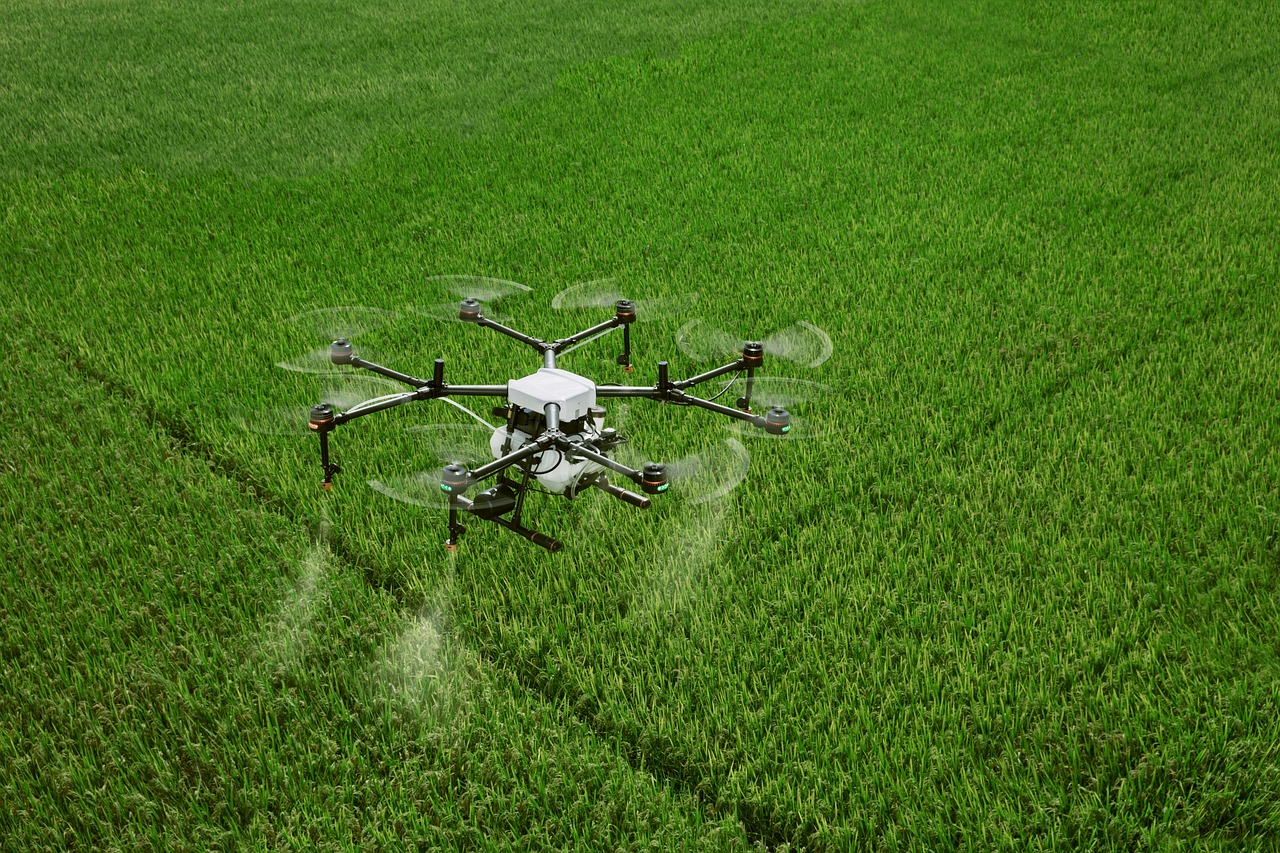
The agricultural sector is witnessing a significant technological breakthrough with the advent of fruit-picking drones, a novel solution aimed at addressing labor shortages and improving the efficiency and sustainability of fruit harvesting. These innovative aerial robots represent a pivotal development in precision agriculture, offering a glimpse into the future of farming. This article explores the capabilities, advantages, challenges, and future prospects of fruit-picking drones within the agricultural landscape.
The Capabilities of Fruit-Picking Drones
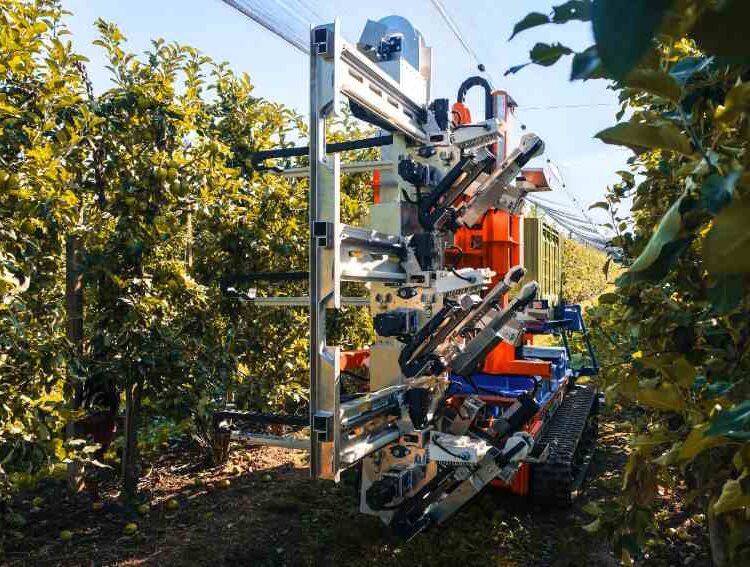
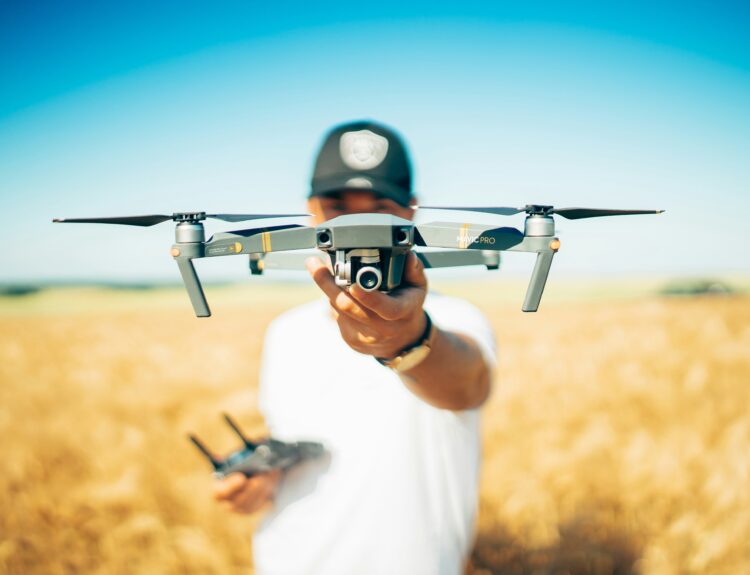
Fruit-picking drones are designed with advanced technologies, including computer vision, artificial intelligence (AI), and sophisticated gripping mechanisms, enabling them to identify, select, and gently harvest ripe fruit. Equipped with high-resolution cameras and sensors, these drones can navigate through orchards and vineyards, making real-time decisions to selectively pick fruit based on ripeness and quality criteria. This selective approach ensures that only the fruit meeting specific standards is harvested, while the rest is left to ripen.
Advantages of Deploying Drones in Orchards
The integration of fruit-picking drones into agricultural operations brings multiple benefits:
- Increased Efficiency: Drones can operate continuously, covering more ground in less time than human pickers, thereby increasing the speed and efficiency of the harvesting process.
- Reduced Labor Costs: By automating the fruit-picking process, drones can help mitigate the challenges posed by labor shortages and reduce the reliance on seasonal labor, leading to significant cost savings.
- Enhanced Product Quality and Yield: AI-driven drones can precisely identify the optimal time for harvesting, improving product quality. Moreover, the gentle handling of fruit by drones can reduce damage, resulting in higher yields.
- Sustainability: Drones offer an environmentally friendly alternative to traditional harvesting methods. By reducing the need for human labor, they also decrease the carbon footprint associated with transporting workers to and from fields.
Navigating the Challenges
Despite their potential, the widespread adoption of fruit-picking drones faces several challenges:
- Technical Complexity: The development of drones capable of handling the delicate task of fruit picking requires advanced technology that is still under refinement.
- High Initial Investment: The cost of implementing drone technology for fruit picking is significant, making it a considerable investment for many farmers.
- Operational Limitations: Drones currently have limitations in terms of battery life and payload capacity, which can affect their efficiency and the scale at which they can be deployed.
- Regulatory Hurdles: The use of drones in agriculture is subject to regulatory constraints, including airspace restrictions and safety regulations, which can impede their operational feasibility.
The Future of Fruit-Picking Drones
Looking ahead, continuous advancements in drone technology, AI, and robotics are expected to overcome existing limitations, making fruit-picking drones more accessible and efficient. Future developments may include extended battery life, improved AI algorithms for better fruit selection, and enhanced gripping technology to handle a wider variety of fruits. Additionally, as regulatory frameworks evolve to accommodate new technologies, the path for widespread adoption of fruit-picking drones will become clearer.
The deployment of fruit-picking drones in agriculture heralds a new era of efficiency and sustainability in fruit harvesting. As technology progresses, these aerial harvesters are set to become an integral part of modern farming practices, revolutionizing the way we harvest fruit and ensuring food security for a growing global population.