

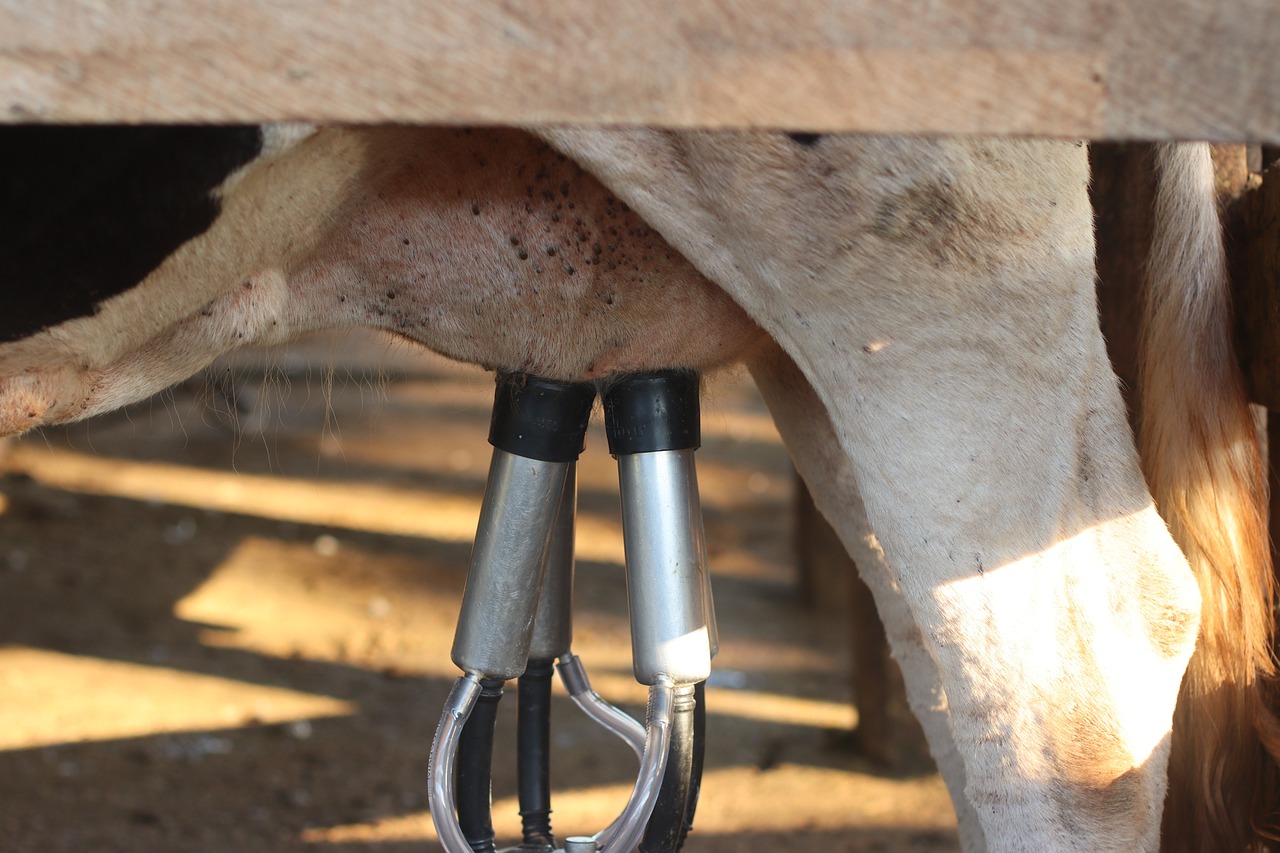
In the realm of dairy farming, milking machines have marked a revolutionary step forward, transforming the age-old practice of hand milking into a streamlined, efficient, and humane process. This article delves into the history, advancements, benefits, and challenges of milking machines, shedding light on their critical role in modern dairy operations and their impact on the industry’s future.
Historical Milestones and Technological Advancements
The journey of milking machines began in the late 19th century, with the first patents for mechanical milkers filed in the 1890s. These early devices sought to mimic the action of hand milking, aiming to improve efficiency while ensuring the comfort and health of the cows. Over the decades, technological advancements have significantly evolved milking machines from simple, manual pumps to sophisticated, automated systems that can milk multiple cows simultaneously, monitor health indicators, and even track milk quality in real time.
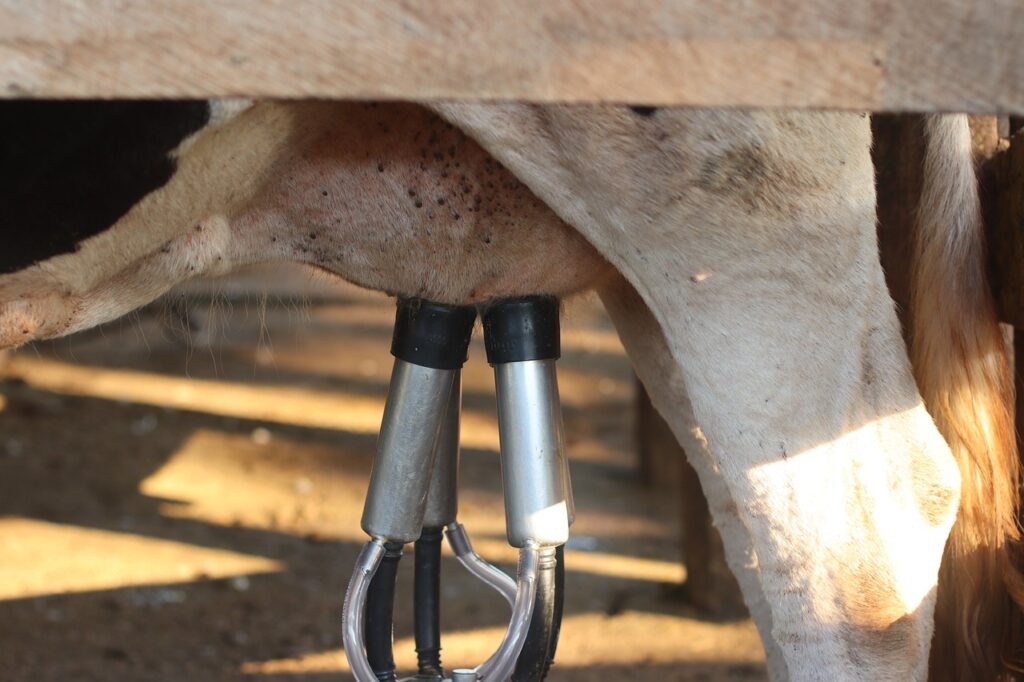
Transforming Dairy Farming
Milking machines have revolutionized dairy farming in several key ways:
- Increased Efficiency and Productivity: Automated milking systems allow for the milking of cows more frequently and consistently, significantly increasing milk yield and farm productivity.
- Improved Animal Welfare: Modern milking machines are designed to ensure the comfort and health of cows. They minimize the stress associated with milking, provide consistent milking routines, and reduce the risk of udder infections.
- Labor Savings: By automating the milking process, dairy farmers can manage larger herds with fewer labor resources, addressing challenges related to labor shortages and reducing the physical strain on farm workers.
- Enhanced Milk Quality Monitoring: Advanced milking systems come equipped with sensors that monitor milk quality, detect abnormalities, and track cow health indicators, facilitating early detection of health issues.
Navigating Challenges
Despite their numerous benefits, the adoption of milking machines comes with its own set of challenges:
- High Initial Investment and Maintenance Costs: The cost of purchasing and installing an automated milking system can be substantial, making it a significant investment for many farmers. Additionally, these complex machines require regular maintenance to operate efficiently.
- Technological Complexity: Operating advanced milking machines requires technical knowledge and skill, necessitating training for farm staff and ongoing technical support.
- Animal Adaptation: Transitioning cows to an automated milking system can require an adjustment period, as cows acclimate to the new milking routine and environment.
The Future of Milking Technology
The future of milking machines lies in continuous innovation aimed at enhancing efficiency, sustainability, and cow welfare. Emerging trends include the integration of artificial intelligence (AI) and machine learning to optimize milking schedules, predict health issues, and personalize the milking process for each cow. Furthermore, developments in robotics are leading to even more sophisticated automated milking systems that promise to further revolutionize dairy farming.
In conclusion, milking machines have played a pivotal role in the evolution of dairy farming, offering solutions to increase efficiency, improve animal welfare, and ensure the quality of milk. As technology advances, these machines will continue to be at the forefront of shaping a more productive and sustainable future for the dairy industry.
Abstract: This article explores the evolution, benefits, and challenges of milking machines in dairy farming, highlighting their role in enhancing efficiency, productivity, and animal welfare. It also discusses future trends in milking technology, including the integration of AI and robotics.
Meta Description: Dive into the transformative impact of milking machines on dairy farming, from increased efficiency and improved animal welfare to the future of AI and robotics in milking technology.